
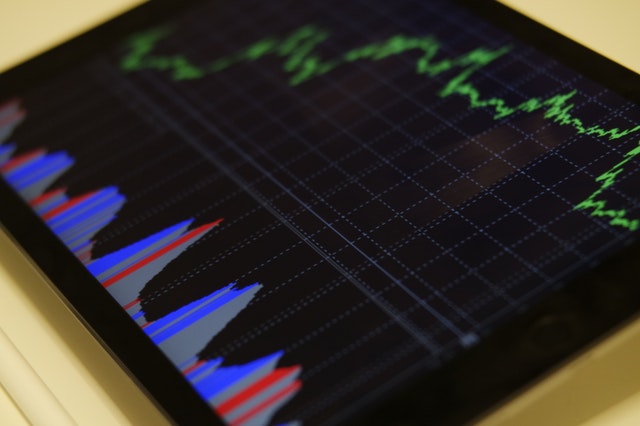
Most people new to Forex trading tend to rely on technical analysis tools such as indicators to help them make trading decisions. Indicators can be beneficial when used correctly, but they can also be misleading if you don’t know how to use them properly. In this article, we’ll look at some of the most popular Forex indicators and discuss how you can use them to improve your trading results.
Using Forex trading indicators is a fantastic way to improve your chances of success as a Forex trader. With many traders losing money, indicators can give you an advantage over those who go with their gut pressures and emotions when making Forex trades.
Indicators can be used in both trending and range-bound markets; however, they must be only used for guidance and not as the Holy Grail of making your future forecasts.
Indicators come in all shapes and sizes, from simple moving averages to highly complex price oscillators, regardless of their complexity.
They have one purpose – to help you identify support/resistance levels where the price tends to reverse itself. First of all, let’s take a look at some trending indicators. It’s not always the best way to trade Forex, but it works excellent in markets where prices are moving quickly, and you can find profitable opportunities very quickly.
Different types of indicators
Oscillators
When trading with indicators in this manner, the most popular ones will be oscillators with bands around them that signal when the price is getting too high or too low about their recent movement/trend. For example, if RSI is above 70, there might be resistance up ahead, which you want to avoid getting caught up in.
You can also use moving averages for this purpose since they are closely correlated with price. A good idea would be using exponential moving averages because they provide faster signals than other moving averages. See it here!
Trend following
Another type of indicator you can use for Forex trading is the trend following indicator, which aligns with price but provides an early entry or exit signal when it reaches its extremes. It would help if you were careful because the output generated by trend indicators is not 100% accurate. They should only be used as a rough estimate rather than entirely relying on. Moving average crossovers, centerline crossovers, and pivot point crossovers are excellent examples of this type of indicator that generates buy & sell signals accordingly.
Volatility breakout system
The volatility breakout system is the last kind of trending indicator that helps generate profitable opportunities in trending markets. It works like this—if price breaks through support/resistance, expect it to continue in that direction for quite some time. Once the price breaks through but turns back around, you’ll know the trend is over, and it’s time to trade in the opposite direction.
Moving averages
You can also use moving averages in range-bound markets instead of just in trending markets, with the purpose being to identify when market volatility is about to rise by determining where support/res resistance levels are located. When price nears these points, you will notice a strong contraction of volatility which causes prices to stop abruptly before reversing.
It gives us an excellent opportunity to open new positions because volatility has contracted so much that even if we buy or sell at the same old price level, our position will be profitable. A good indicator for this would be Bollinger Bands which measure market volatility.
In conclusion
Indicators can be a great way to improve your chances of making profitable Forex trades; however, they should not be relied on entirely and should only be used as a guide. Always use multiple indicators together to give you a well-rounded view of the market and never trade based on emotions – this is the quickest way to financial ruin in the Forex market!